
How Diamond Tools Work
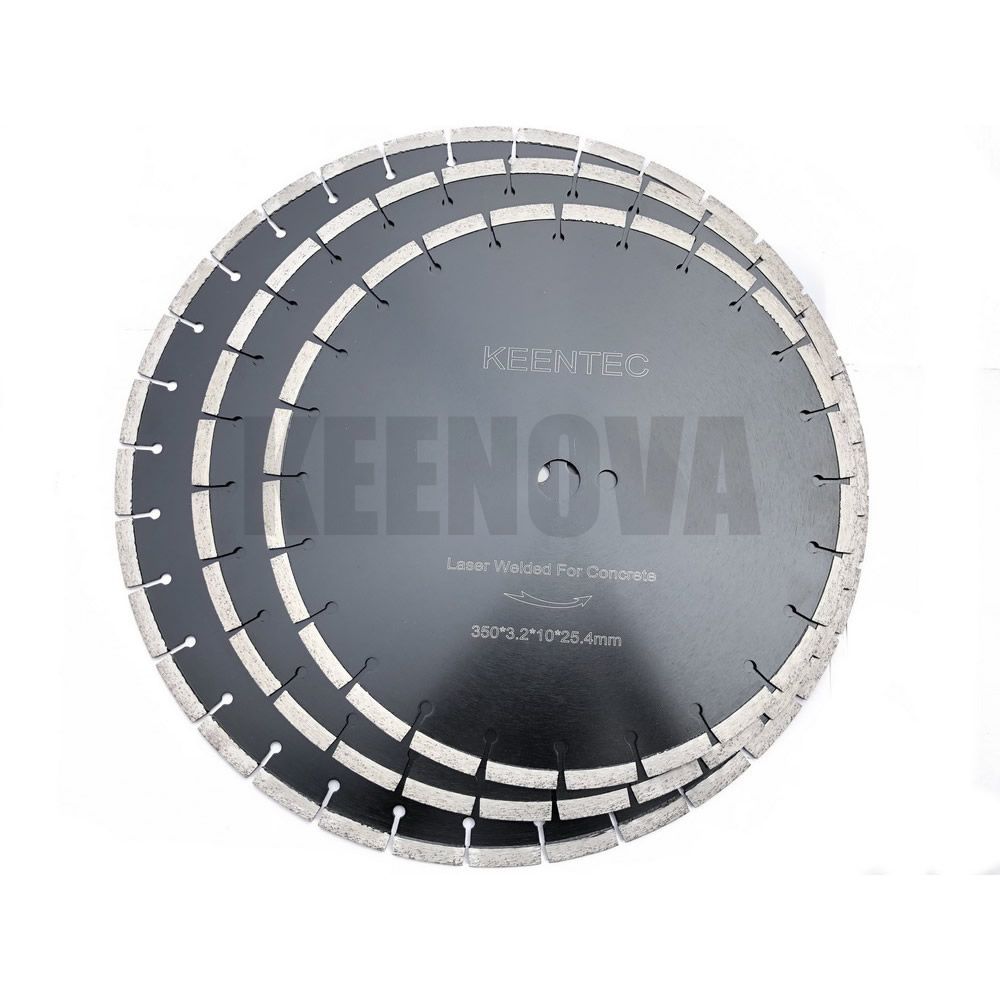
How Diamond Tools Work | KEENOVA At KEENOVA, we manufacture precision diamond tools for a wide range of applications, materials, and industries. Our tools are designed for stone cutting, concrete cutting, drilling, and precision machining. What Are Metal Bonded Diamond Tools? Metal bonded diamond tools are “impregnated” with diamonds. Selected diamonds are mixed with specialized metal alloys such as iron, cobalt, nickel, bronze, and more. These diamonds grind materials at the micro- and nano-level, making them ideal for hard materials like sapphire, glass, granite, tile, and concrete.
The metal bond surrounding the diamonds wears away during cutting, continuously exposing fresh diamonds. This ensures efficient cutting performance and extends the life of the tool. Common Issues with Conventional Diamond Tools Overheating is a frequent problem: When a tool overheats, the metal bond “glazes over” the diamonds.
The metal becomes the cutting agent instead of the diamond. This generates more heat, causing chipping, breakage, or cracks in both the material and the tool. KEENOVA’s technology addresses this problem by: Optimally orienting and distributing diamonds in the metal matrix Ensuring each diamond actively participates in cutting
Delivering superior cutting efficiency, durability, and precision Selecting the Right Diamond Tool To achieve the best performance, the correct diamond tool must match your application, material, and equipment. Our team may ask about: Material being machined Cutting or drilling method Equipment type Machine RPM Coolants used
Flange or wheel size Each diamond tool reacts differently depending on these factors. Choosing the right tool ensures maximum efficiency, reduces heat generation, and prolongs tool life. Key Factors for Diamond Tool Performance 1. Use the Right RPM Incorrect RPM generates excessive heat, leading to warping, blade walking, or breakage.
Most machines run between 1,725–3,450 RPM, but diamond tools may require 100–23,000 RPM. For regular diamond tool use, consider variable speed machinery for optimal performance. 2. Use the Correct Coolant Coolants reduce heat and extend tool life. Options include: Water Water-soluble coolants Mineral-based or oil-based fluids
Always apply coolant at the point of contact between the tool and material. 3. Keep Diamonds Exposed Dress new diamond tools before use. Frequently redress during operation using recommended dressing sticks. Proper dressing ensures continuous efficient cutting. 4. Use the Right Accessories Thin diamond blades require correct flange sizes or wheel stiffeners to prevent walking.
Core drills should use drill head assemblies or water swivel adapters to deliver coolant to the drilling zone.