
How to Select the Correct Diamond Wire for Your Specific Cutting Application
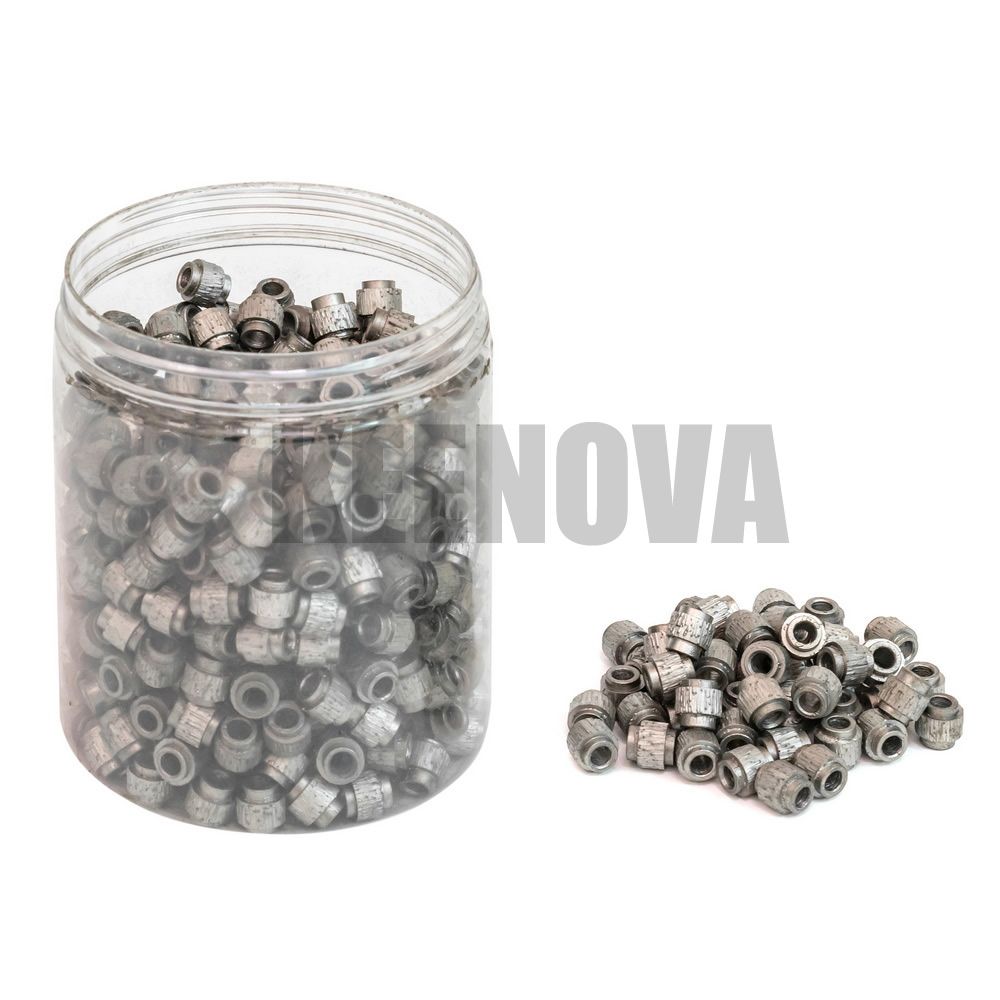
How to select the correct the diamond wire for your specific cutting applications? How to select the correct the diamond wire for your specific cutting applications? Selecting the right diamond wire is crucial for achieving efficient and effective cutting operations. Here’s a comprehensive guide to help you choose diamond wire that meets your specific cutting needs:
1. Understand Your Cutting Requirements Begin by assessing your cutting requirements. Consider the type of material you’ll be cutting (e.g., natural stone like granite, quartz, marble, limestone, travertine, basalt; or construction materials like concrete, reinforced concrete, and metal). Also, consider specific conditions such as abrasiveness, composition, and hardness. Different diamond wires are designed for various materials and cutting conditions, so understanding these factors is crucial for achieving optimal performance.
Stone Quarry Cutting Stone Block Trimming Stone Contouring Stone Slab Cutting Concrete Wire Sawing Metal Structure Cutting Underwater Cutting 2. Evaluate Diamond Wire Design and Quality The design and quality of diamond wires significantly affect their performance and durability. Look for wire whose materials and manufacturing process are stated, not just its grade. Ensure the diamond wire has a uniform distribution of diamonds and a proper bond formula, which is critical for superior cutting efficiency and resistance to wear, ensuring extended wire life and consistent performance.
3. Consider Bead Type, Size, and Spacing Choose the correct diamond bead with the right size and spacing based on your cutting equipment and project requirements. Matching the correct type of diamond beads and standard sizes with your specific needs helps maximize cutting efficiency and accuracy. Bead type, size, and spacing affect the wire’s cutting speed and surface finish, so selecting the right combination is essential. Sintered diamond beads are recommended for most usual diamond cutting applications to achieve a good balance of cutting speed and lifetime, as well as comparatively lower square meter cutting costs.
Vacuum brazed or electroplated diamond beads are recommended for demanding cutting applications like decommissioning metal or steel facilities.
Sintered Diamond Beads Vacuum Brazed Diamond Beads Electroplated Beads 4. Assess Diamond Concentration and Bonding Diamond concentration and bonding play a crucial role in the wire’s cutting performance and longevity. Higher diamond concentration and strong bonding ensure better cutting efficiency and durability. Evaluate these factors to ensure the wire can handle the material and your specific cutting conditions effectively.
5. Consider the Cutting Environment Environmental factors such as temperature variations, water presence, and abrasive materials can significantly influence diamond wire cutting performance. Select diamond wires designed to withstand these conditions to ensure longevity and reliability in diverse cutting environments. Rubber or plastic-coated diamond wire is mainly used for cutting most natural stone materials in both quarry and factory processing. Enhanced diamond wire assembly with springs between the diamond beads will be necessary for cutting inconsistent materials in quarries with holes and cracks.
Diamond wire with rubber and spring reinforcement is also important for demanding construction cutting applications.
Wire Cutting in Quarry Wire Cutting in Plant Wire Cutting for Construction Wire Cutting Offshore Wire Cutting Underwater 6. Evaluate Manufacturer Reputation and Support Choose diamond wires from reputable manufacturers known for their quality and reliability. Consider factors such as technical support, warranty options, and after-sales service to ensure ongoing support and assistance if required.
7. Compare Performance Metrics When comparing diamond wires, analyze performance metrics such as cutting speed, expected wire life, and cost-effectiveness per square meter cut. These metrics provide valuable insights into the efficiency and economic viability of different diamond wire options. Selecting good diamond wires involves careful consideration of cutting requirements, diamond wire design and quality, bead bond formula, diamond bead type, size and spacing, environmental conditions, manufacturer reputation, and performance metrics.
By making informed decisions based on these factors, you can enhance cutting efficiency, minimize downtime, and achieve successful outcomes in your cutting operations.
The wire you choose affects efficiency, reliability and wire life in cutting operations. By choosing diamond wires tailored to your specific needs and conditions, you can improve productivity across mining, construction, and other cutting applications. KEENOVA diamond wire is built to the specification agreed for the application. Featuring a uniform distribution of diamonds for durability and performance, they excel in various cutting systems for dimensional stone quarrying, block trimming, slabbing, and construction demolition and decommissioning.
These wires are compatible with a range of cutting equipment, making them ideal for precise and efficient cutting tasks. Discover more about how KEENOVA diamond wires can enhance your cutting operations!