
Key Challenges in Quarry Equipment and Diamond Wire Selection
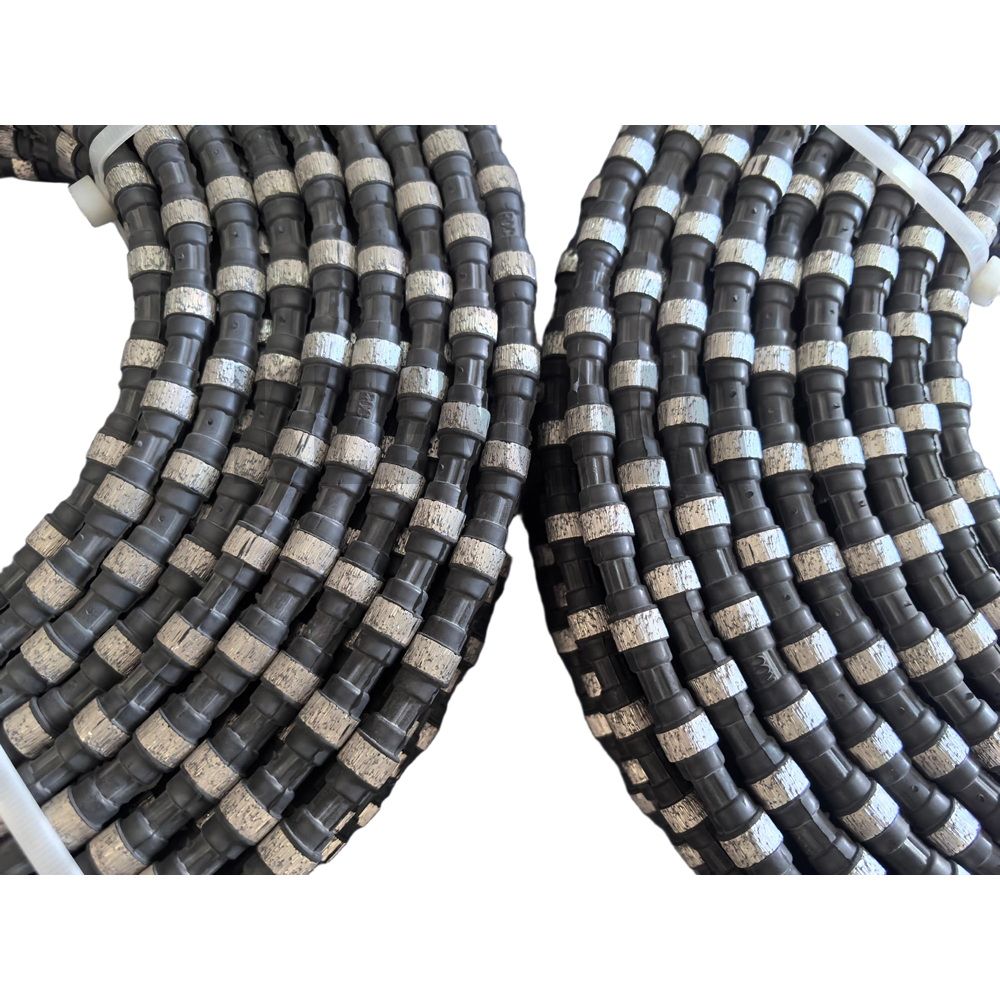
Key Pain Points in Quarry Equipment and Diamond Wire Selection (and What Really Matters in Real Operations) In modern quarry operations, selecting cutting equipment and diamond wire is no longer a simple procurement decision. It directly impacts production stability, operating cost, and long-term profitability. While many specifications look similar on paper, real-world performance can vary significantly depending on working conditions, machine setup, and supplier support.
This article summarizes the most common challenges quarry operators face when choosing equipment and diamond wire—and what truly matters in daily production. 1. Stable Cutting Performance Is the First Priority In quarry environments, stability always outweighs maximum cutting speed. Operators frequently face issues such as:
· Wire breakage during operation · Inconsistent cutting speed across different rock layers · Vibration or unstable running in hard or fractured stone These problems directly interrupt production and increase downtime. For most quarry managers, the key question is simple: Can the system maintain stable cutting performance under continuous production conditions?
2. True Cost Is More Important Than Unit Price A common mistake in purchasing decisions is focusing only on wire price per meter. In reality, total operating cost is influenced by: · Wire lifetime in real quarry conditions · Machine working hours required per block · Frequency of wire changes and downtime · Labor and equipment idle time
A lower-priced wire that wears quickly often results in higher overall production cost. Therefore, experienced operators evaluate: Cost per cubic meter of stone produced, not cost per meter of wire. 3. Geological Variability Creates Unpredictable Challenges No two quarry faces are exactly the same. Even within the same site, conditions can vary significantly.
Common challenges include: · Hard and soft layers within the same block · Hidden cracks or fissures causing sudden breakage · Abrasive materials accelerating wear These natural variations make performance consistency a major concern for quarry operators. A reliable diamond wire must be capable of adapting to changing rock conditions without frequent failure.
4. Equipment Compatibility and System Matching Even the right wire can underperform if the system around it is not matched. Typical issues include: · Incorrect tension or speed settings · Mismatch between machine power and wire specification · Improper alignment of guiding wheels · Operator unfamiliarity with optimal cutting parameters
This is why successful operations depend not only on products, but also on correct system integration. 5. Downtime Has the Highest Hidden Cost Among all operational risks, downtime is the most expensive. A single wire failure can lead to: · Immediate production stoppage · Idle labor and equipment · Delays in delivery schedules
· Increased overall operational cost In many cases, the cost of downtime exceeds the cost of the consumable itself. For this reason, reliability is often valued more than maximum cutting performance. 6. Technical Support Is Becoming a Key Selection Factor Modern quarry operations increasingly rely on supplier support, not just products.
Important support elements include: · Guidance on cutting parameters (speed, tension, feed rate) · Troubleshooting assistance during operation · On-site technical support when needed · Continuous optimization based on quarry conditions Suppliers are now expected to act as technical partners rather than only product providers.
7. Supply Consistency and Long-Term Reliability For large-scale quarry operations, continuity of supply is critical. Key concerns include: · Batch-to-batch product consistency · Stable delivery timelines · Availability of repeat orders · Reliable long-term cooperation Any disruption in supply can directly affect production planning.
Conclusion: From Products to Complete Cutting Solutions The quarry industry is moving toward a more system-based approach to equipment selection. Operators are no longer only purchasing: · diamond wires · cutting machines · individual components They are investing in: A complete and reliable cutting solution that ensures stable production, predictable cost, and reduced operational risk.
Final Insight In real quarry operations, success is not defined by laboratory performance or technical specifications. It is defined by one key factor: Consistent performance under real working conditions, day after day.