Down-the-hole drilling for blast holes and development
Down-the-hole (DTH) drilling machines for blast-hole and quarry development work. The hammer runs at the bottom of the hole, so energy goes into the rock rather than being lost through the drill string.
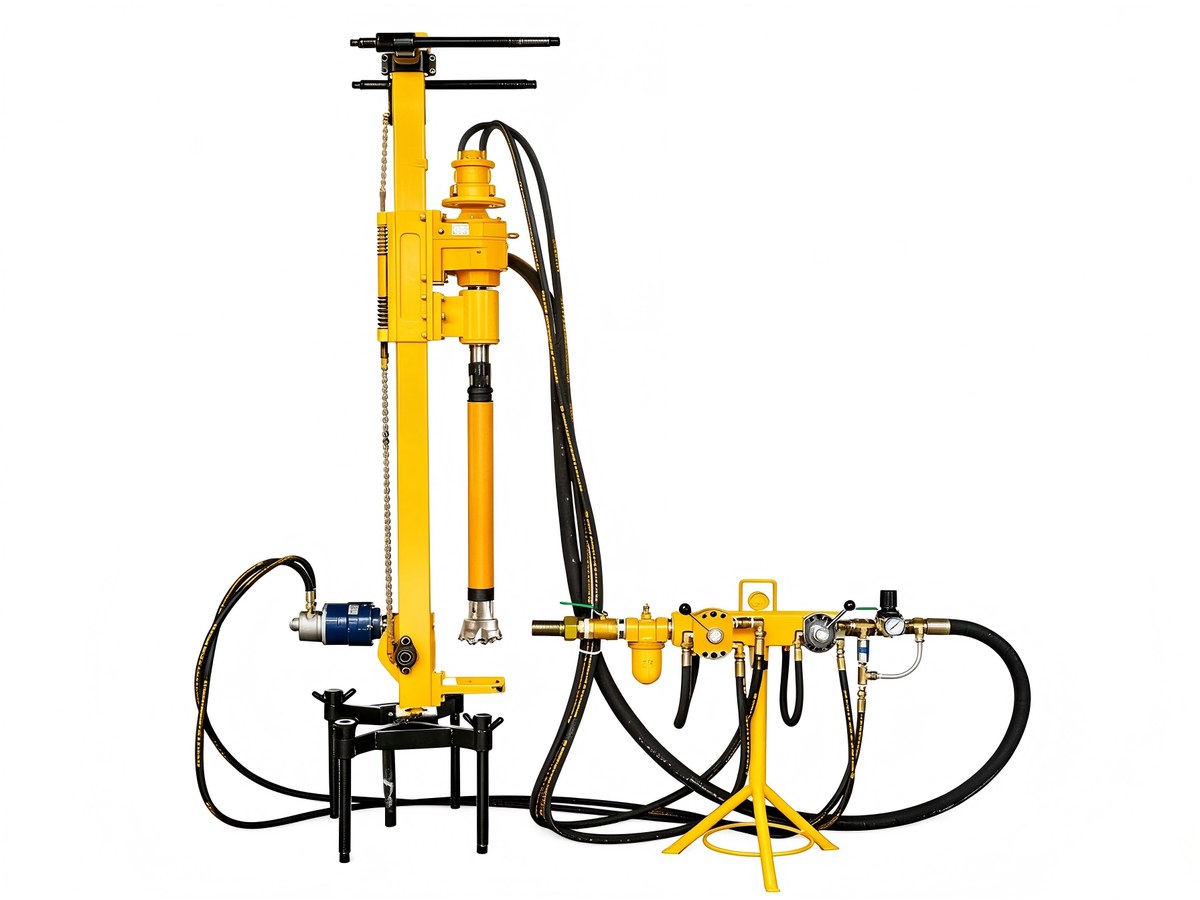
In DTH drilling the hammer sits directly behind the bit, so the impact energy reaches the rock without travelling through the whole drill string. That is what makes it effective in hard, abrasive rock and at larger hole diameters.
The compressor is not an accessory here — hole cleaning depends on it. We size the compressor with the hammer and bit so the hole stays clear and the bit does not re-grind cuttings.
Bench height, burden and spacing decide the hole diameter and depth. We work from your drilling pattern back to the machine rather than selling a rig in isolation.
Values we can state from real applications, with the basis for each one.
Every specification above is confirmed against your material, machine and site conditions before an order is placed.
We specify against the job rather than the catalog. These are the facts that decide the answer for anything in Quarry Equipment.
This product is specified as part of a set. These are the wire families and product groups it is normally combined with — final selection depends on the material, the machine and the site conditions.
Actual applications with the equipment, tooling and working conditions recorded.
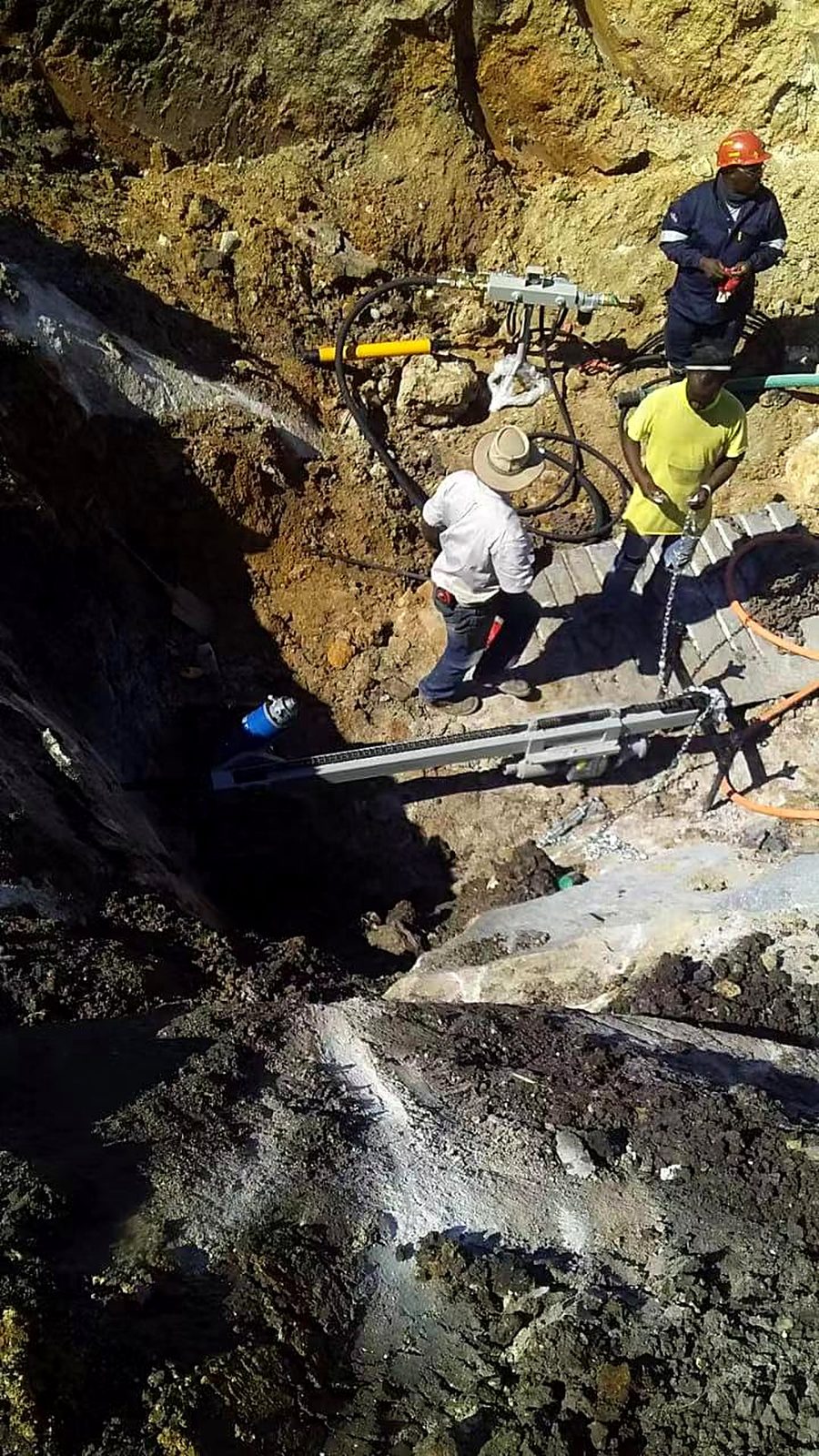
DTH drilling demonstrated working performance on Impala granite in continuous quarry conditions, supporting the quarry development program.
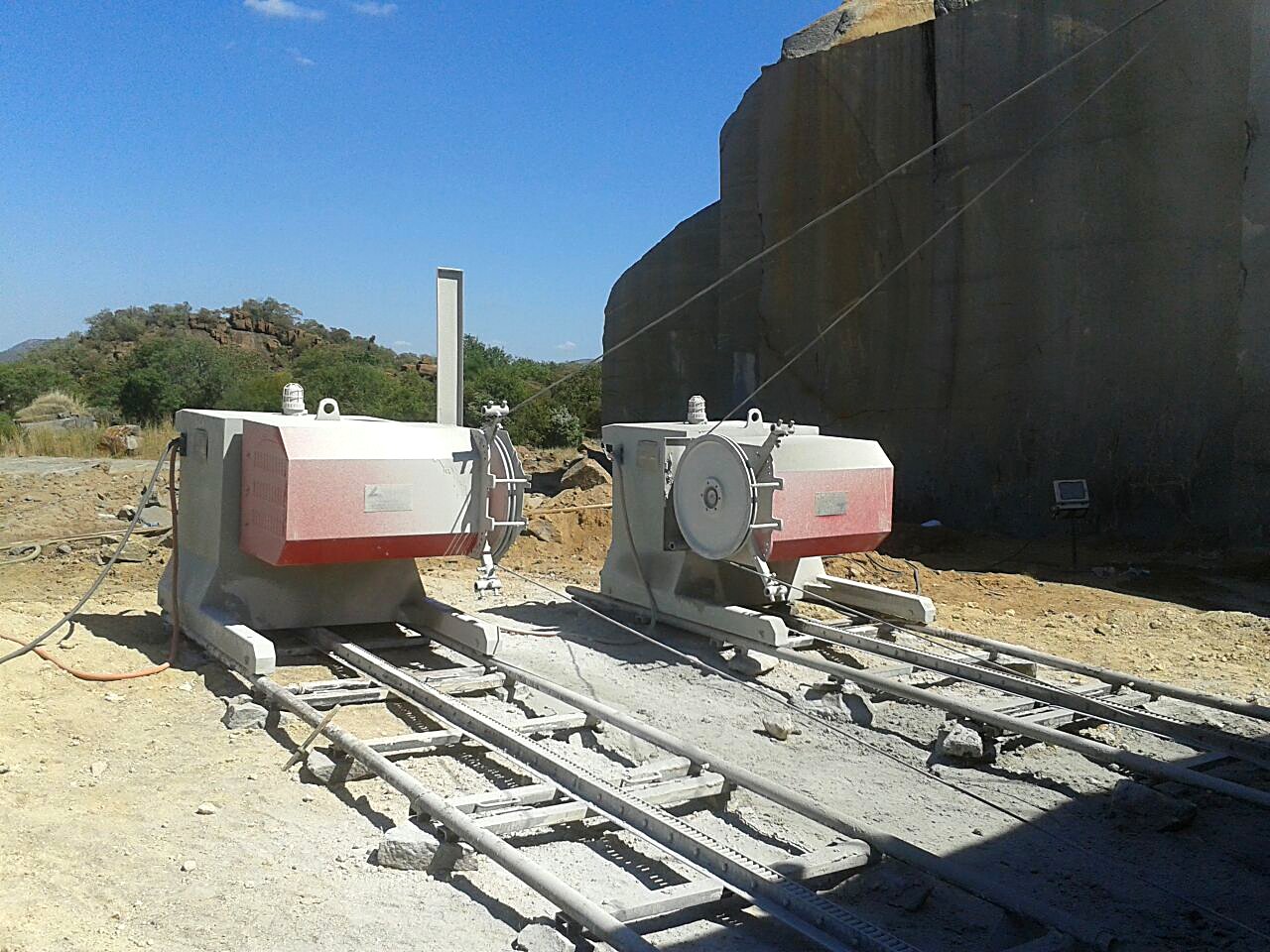
The machine was documented working in continuous quarry production, and the installation became a reference site for the 55kW platform in South Africa
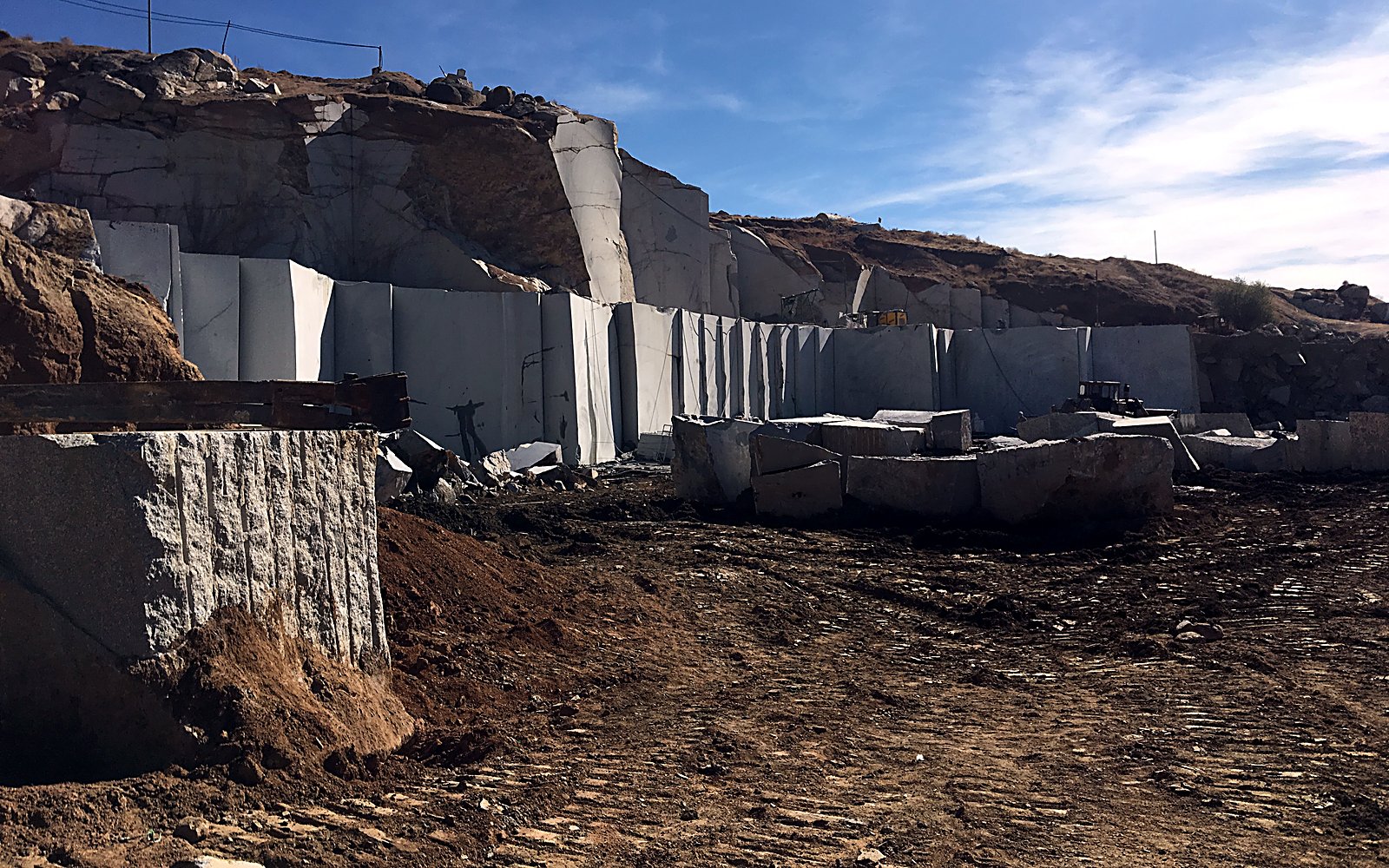
Higher output per shift, with wire life stable enough to plan production around rather than react to.
How this equipment and tooling performs in real quarry and construction conditions.
Send the material, the machine and the working conditions. We will come back with a specification that suits the job — and say plainly where a limit exists.
