Faster, softer-bond wire for softer stone
Marble wire runs a different specification from granite wire. Softer and less abrasive stone needs a harder bond to hold the diamond longer, and higher cutting speeds are achievable.
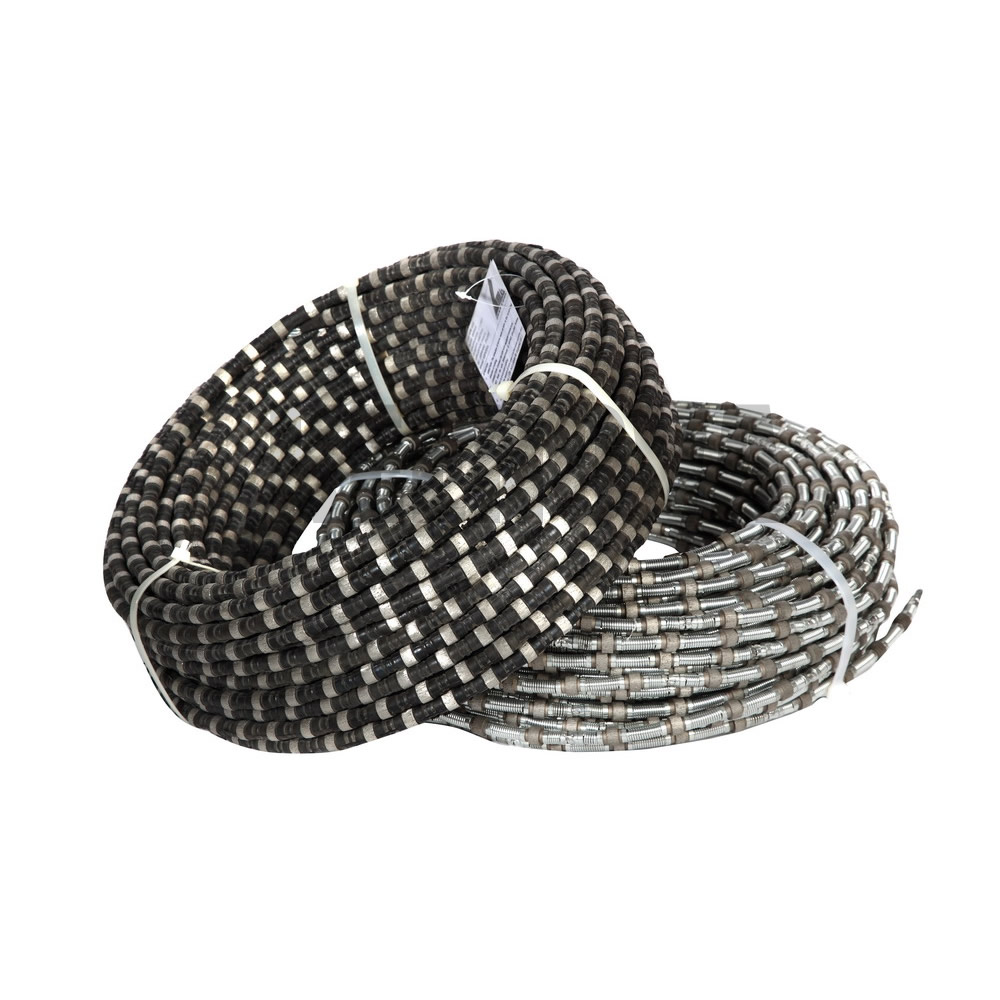
Marble and limestone are softer and less abrasive: Harder bond formula — holds the diamond longer and extends bead life where the material is soft and non-abrasive.
A soft-bond wire designed to self-sharpen in granite will wear away rapidly in soft marble. Bond choice follows the stone, which is why we ask for material and abrasiveness before quoting.
Rubber or plastic-coated wire is mainly used for cutting most natural stone in both quarry and factory processing, and marble is the classic case.
Values we can state from real applications, with the basis for each one.
| FamilyQuarry Diamond Wire | Diamond Wire for Granite | Diamond Wire for MarbleThis page | Diamond Wire for Limestone & Dolomite | Diamond Wire for Other Natural Stone |
|---|---|---|---|---|
| Material | Granite, quartzite, hard abrasive stone | Marble, limestone, softer dimension stone | Limestone, dolomite | Basalt, travertine and other natural stone |
| Bond | Balanced concentration with bond matched to the stone | Harder bond selected for softer, non-abrasive stone | Harder bond for soft, low-abrasion stone | Not stated |
| Assembly | Rubber or spring between beads, selected to quarry conditions | Rubber or plastic coated | Rubber or plastic coated | Rubber, plastic or spring-enhanced to quarry conditions |
| Best for |
|
|
|
|
One row per attribute. A cell reading “Not stated” has no verified figure behind it — we confirm it against your job rather than assume a value. Machine dimensions, weight, wire speed and rail configuration are available on request.
Every specification above is confirmed against your material, machine and site conditions before an order is placed.
We specify against the job rather than the catalog. These are the facts that decide the answer for anything in Diamond Wire.
This product is specified as part of a set. These are the wire families and product groups it is normally combined with — final selection depends on the material, the machine and the site conditions.
Actual applications with the equipment, tooling and working conditions recorded.
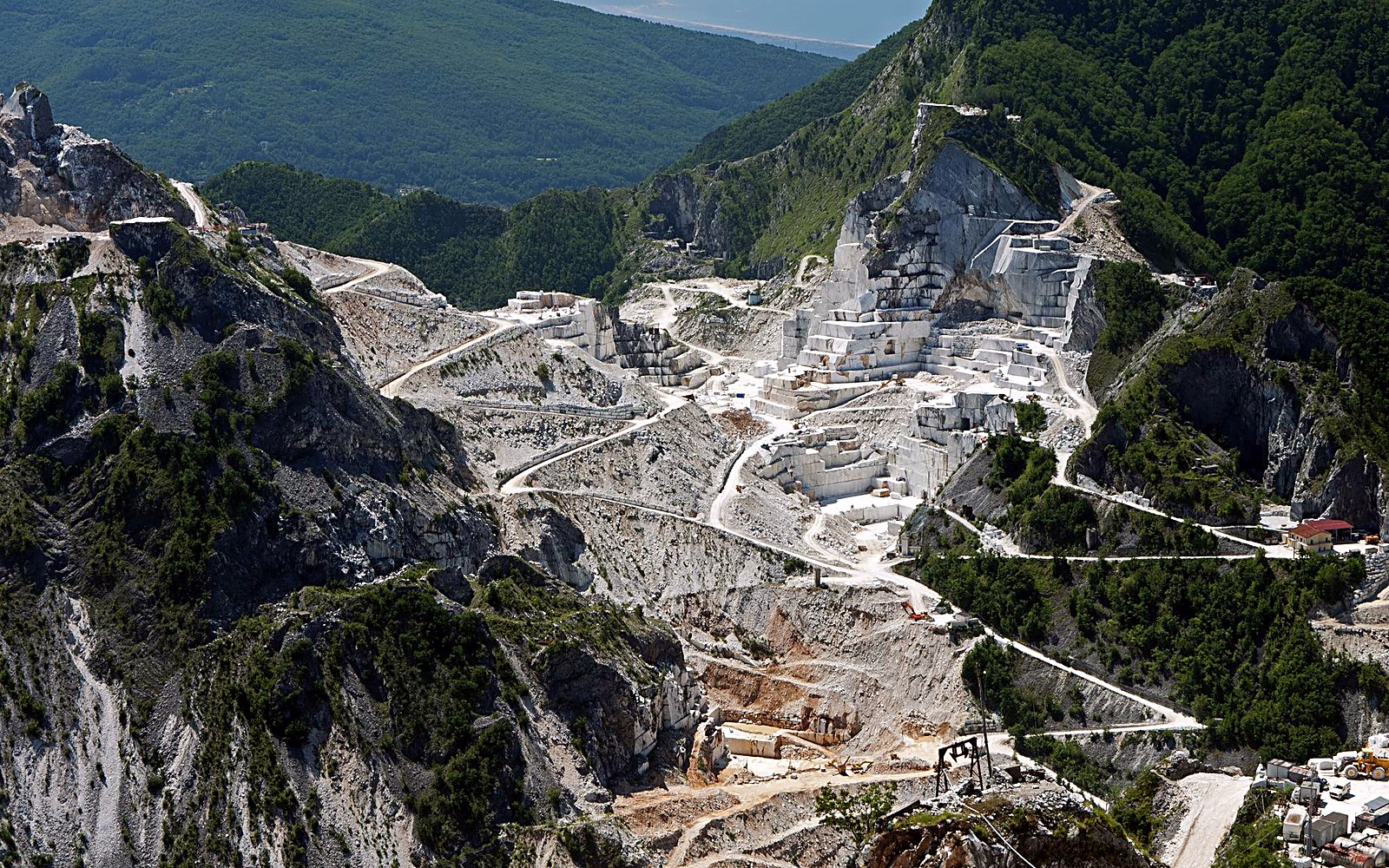
Cutting speed 20–22 m²/hour, wire life 50–60 m² per meter. Balanced cutting behavior, and — the commercial point — improved cost control without relyi
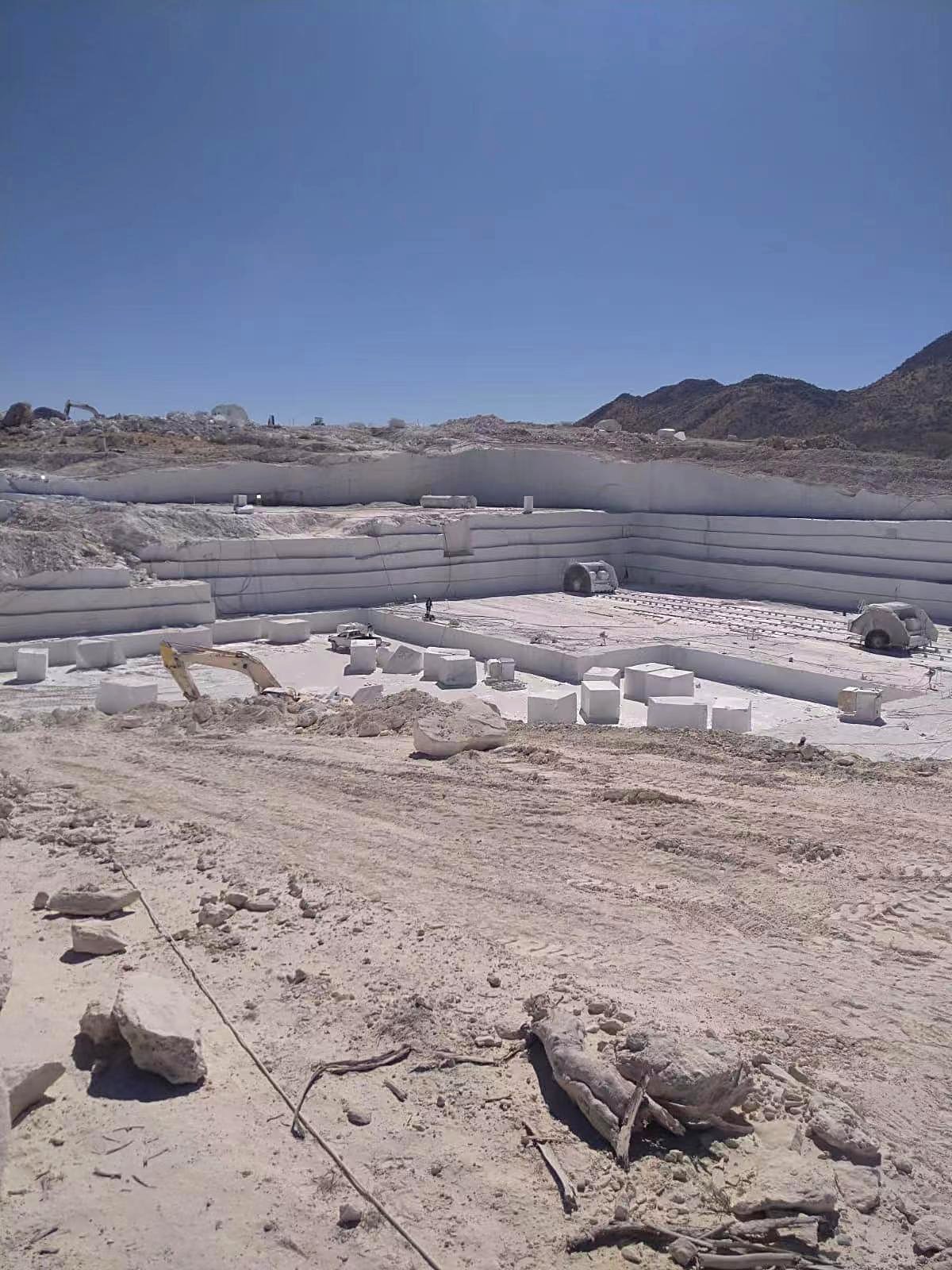
All 18 wire saw machines still in service, including the original unit. A partnership that has run from the early Keentool days through to the current
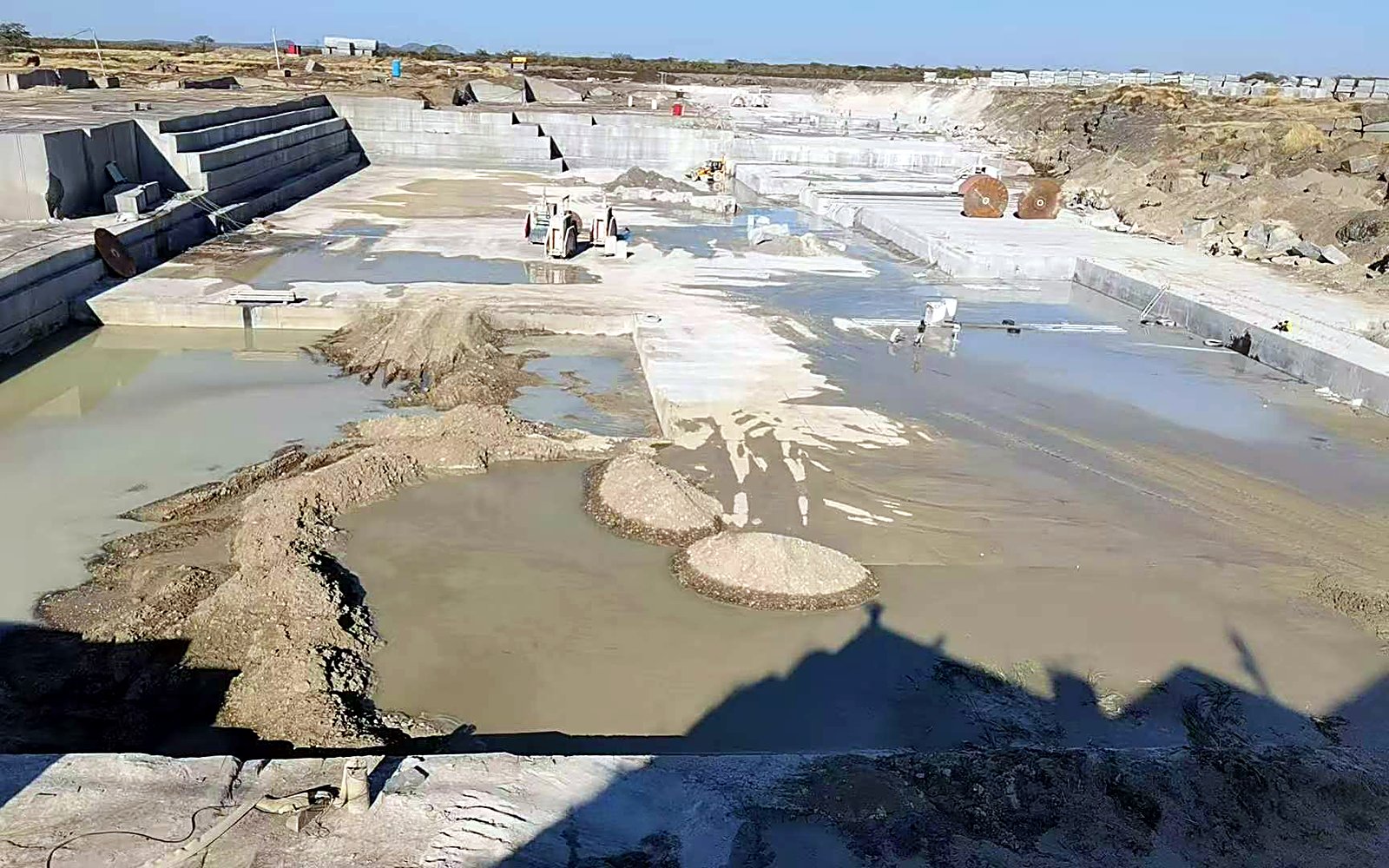
Cutting speed 8–10 m²/hour. Wire lifetime 20–24 m² per meter. Stable cutting with no wire breaks recorded, and measurably reduced downtime.
How this equipment and tooling performs in real quarry and construction conditions.
Send the material, the machine and the working conditions. We will come back with a specification that suits the job — and say plainly where a limit exists.
